Best Male Infertility Doctors Arizona
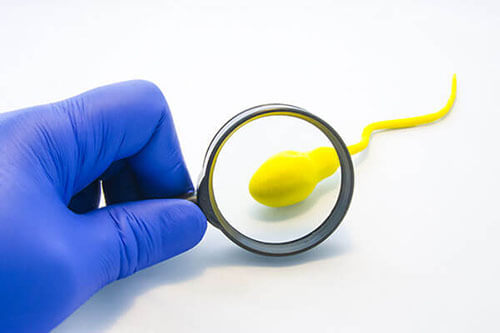
Male Factor Infertility
The testes are the male reproductive organs which are primarily responsible for producing sperm and testosterone. Normally functioning testes make millions of sperm daily. A normal ejaculate should contain more than 40 million sperm, although semen parameters vary widely among fertile individuals and can also differ significantly between collections from the same man. Healthy semen parameters with good numbers of strongly swimming sperm provide the best odds that a sperm will reach and fertilize an egg, resulting in conception.
Certain factors may predispose a man to infertility or be associated with difficulty conceiving. These include:
- Low Libido
- Erectile or ejaculatory dysfunction
- Thyroid abnormalities
- Obesity
- Anabolic steroid (e.g. testosterone) use
- Heavy alcohol consumption
- Marijuana use
- Varicocele
- Cystic fibrosis and congenital absence of the vas deferens
- Previous history of an undescended testicle(s)
- Bladder or urologic surgery as a child
- Surgery for groin hernias
- History of mumps, epididymitis, urethritis and/or prostatitis
- History of trauma to the testicles
- Exposure to certain chemicals and toxins
The main male fertility assessment is a comprehensive semen analysis. The sperm sample is typically collected by masturbation after 2-7 days of abstinence. The sample is ejaculated into a sterile cup, then evaluated for semen volume, sperm concentration, total count, motility (percent moving), progressive motility (forward speed), morphology (shape), the presence of white blood cells (which can indicate infection), and the time that it takes the sample to liquify. An abnormal semen analysis may show:
- Oligospermia - decreased numbers of sperm
- Azoospermia - complete absence of sperm
- Asthenospermia - increased percentage of nonmotile sperm
- Teratospermia - increased percentage of abnormally shaped sperm
In the case of severe oligospermia or azoospermia, further medical evaluations could be indicated. Most often your doctor will order hormone testing, including FSH, testosterone, and prolactin levels. Sometimes additional genetic testing and urologic referral will be indicated. In some cases of azoospermia, medical treatment can be used to promote sperm production. Other times, sperm may be recovered directly from the testes (MESA/TESA) to permit the use of IVF/ICSI rather than donor sperm.
The Bottom Line
Semen parameters are crucial for natural fertility and can impact the choice and effectiveness of treatment options. As a general rule, the lower the number and quality of sperm, the closer you need to get the sperm to the egg. The following is a guide to the preferred minimum number of total motile sperm (TMS) for achieving a pregnancy by various methods:
- Intercourse - 100's of million of Total Motile Sperm (TMS)
- IUI - Greater than or equal to 5 million Total Motile Sperm (TMS)
- IVF - 250-300,000 Total Motile Normal Sperm (TMNS) if fertilizing in the dish
- ICSI - 1 sperm per egg
- Donor sperm - None
If you want to learn more about male factor infertility, call your ACFS fertility team today at (480) 860-4792.

Success Rates
In-Vitro
Fertilization (IVF)



Our Scottsdale Fertility Clinic Location
8426 E Shea Blvd.
Scottsdale, Arizona 85260
Phone: (480) 860-4792
New Patient Referrals Fax: 480-946-9914
Routine Fax: 480-860-6819
Hours:
Monday - Friday: 8:00 AM - 5:00 PM
Saturday – Sunday: Closed
Important Notice:
If you're traveling north via the Loop 101 Pima Freeway towards our clinic, please be aware of significant delays, especially near the Shea Blvd. exit. We recommend allowing extra travel time to ensure you arrive relaxed and on time for your appointment. Your timely arrival helps us provide the best care for you and others. Stay safe and plan ahead!

Our Gilbert Fertility Clinic Location
3885 S. Val Vista Dr.
Ste 105
Gilbert, Arizona 85297
Phone: (480) 860-4792
New Patient Referrals Fax: 480-946-9914
Routine Fax: 480-860-6819
Hours:
Monday - Friday: 8:00 AM - 5:00 PM
Saturday – Sunday: Closed